
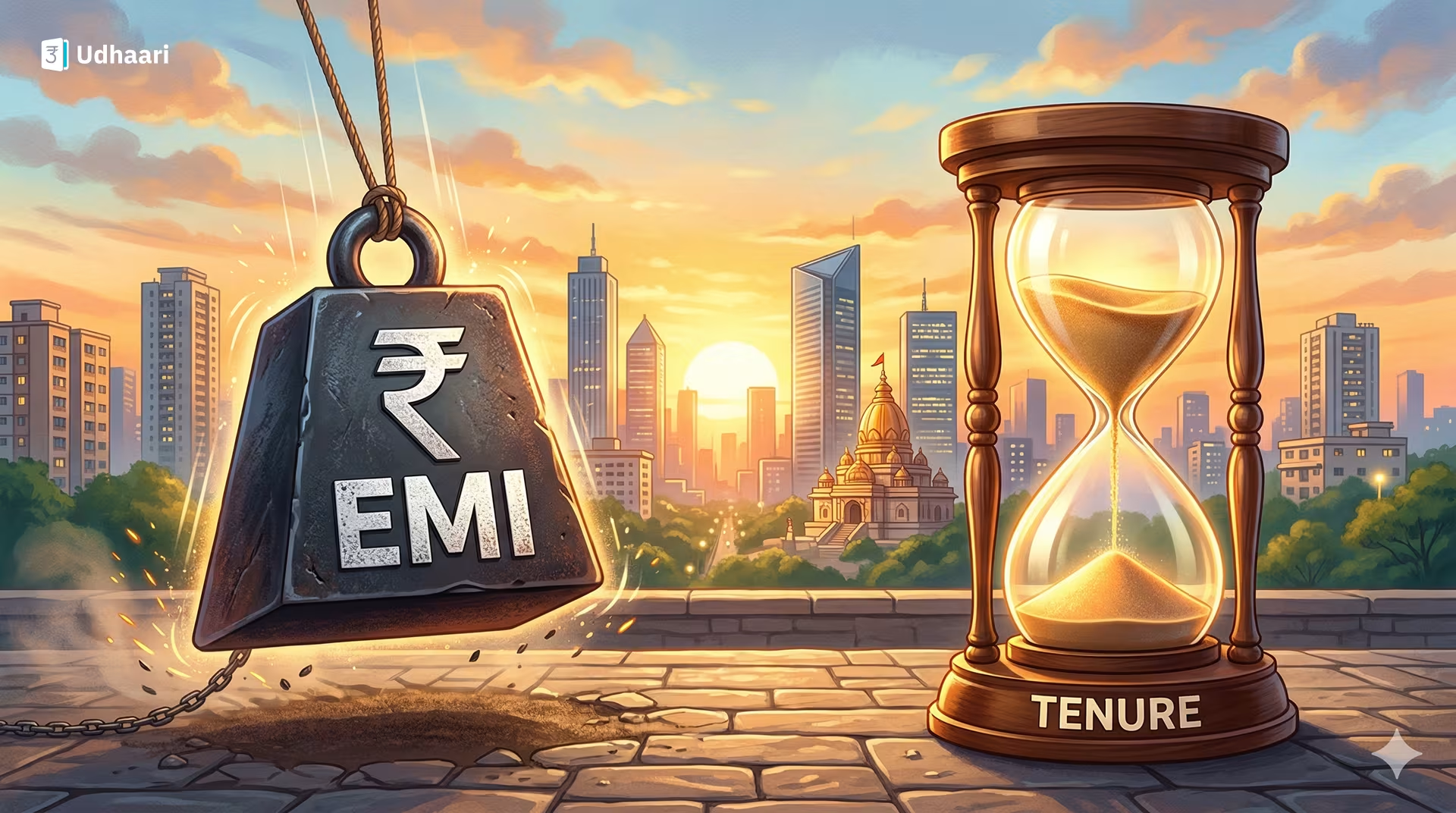
Introduction: The Monthly EMI Squeeze
Watching a huge chunk of your salary disappear into Equated Monthly Installments (EMIs) within the first week of the month can be incredibly disheartening. Whether it is a home loan, a car loan, or a personal loan, high EMIs restrict your financial freedom and leave little room for savings, investments, or simply enjoying life.
When borrowers feel this squeeze, the most common advice they hear is to "extend the loan tenure." While stretching a 15-year loan to 20 years will instantly drop your monthly payment, it is a dangerous financial trap. Extending your tenure significantly increases the total interest you pay to the bank over the life of the loan. Fortunately, there are smarter ways to reduce your EMI burden without giving the bank more of your hard-earned money.
Strategy 1: Make Strategic Partial Prepayments
One of the most effective ways to lower your EMI is by paying off a portion of your outstanding principal. Whenever you receive a financial windfall—such as an annual Diwali bonus, a tax refund, or maturity proceeds from an investment—channel a portion of it toward your loan.
How it works: When you make a part-prepayment, your outstanding principal reduces immediately. At this point, banks give you two choices: reduce your loan tenure or reduce your EMI. By choosing to reduce your EMI, you lower your monthly burden while keeping the original timeline intact.
Note for Indian Borrowers: According to RBI guidelines, banks cannot charge prepayment penalties on floating-rate term loans for individual borrowers. This makes prepaying home loans an incredibly efficient strategy.
Strategy 2: Opt for a Balance Transfer (Refinancing)
If your current bank is charging a high interest rate, you don't have to stay stuck. A Balance Transfer allows you to move your outstanding loan amount to a different bank or NBFC that offers a lower interest rate.
How it works: Even a 0.5% to 1% reduction in your interest rate can dramatically decrease your EMI, especially on large-ticket loans like home loans. When transferring the balance, you can request the new lender to structure the loan so that the remaining tenure matches your original plan, but at the new, lower EMI.
- Factor in the costs: Always calculate the processing fees and legal charges of the new lender to ensure the switch is financially beneficial in the long run.
Strategy 3: Negotiate a Rate Conversion
If you have a good repayment history and a healthy credit score, you have leverage. Banks do not want to lose reliable customers to competitors. Instead of going through the hassle of a balance transfer, approach your current lender.
How it works: Ask your bank to adjust your interest rate to match the current, lower market rates they offer to new customers. Banks usually allow this rate conversion for a nominal fee (often ranging from 0.5% to 1% of the outstanding principal). Once the rate is lowered, request them to adjust the EMI downward while keeping the tenure constant.
Strategy 4: Audit and Optimize Recurring Expenses
Sometimes, reducing the "burden" of an EMI isn't about changing the loan itself, but about creating more breathing room in your monthly cash flow. If you can free up capital elsewhere, the existing EMI feels much lighter.
How it works: Many borrowers bleed money through forgotten subscriptions, unused memberships, or unoptimized utility bills. By closely tracking your recurring expenses, you can identify areas to cut back. Redirecting just ₹2,000 to ₹3,000 a month from optimized expenses can give your budget the buffer it needs to handle EMIs comfortably.
Conclusion: Take Control of Your Liabilities
Reducing your EMI without extending your tenure requires a proactive approach. Whether you choose to leverage an annual bonus for a part-prepayment, negotiate a better interest rate, or streamline your monthly cash flow, the goal remains the same: keeping more of your money in your pocket.
The foundation of any good debt reduction strategy is total visibility. You cannot optimize what you do not track. Using Udhaari to maintain a clear, real-time dashboard of all your formal and informal loans, alongside your recurring expenses, ensures you always know exactly where your money is going—empowering you to make the smartest financial decisions for your future.
Thanks for reading!